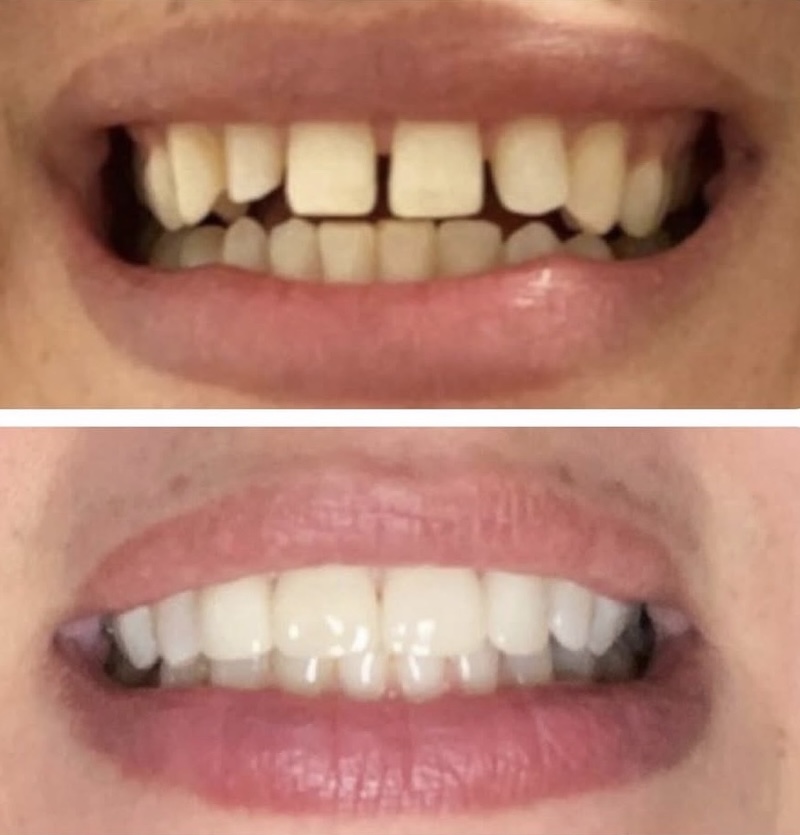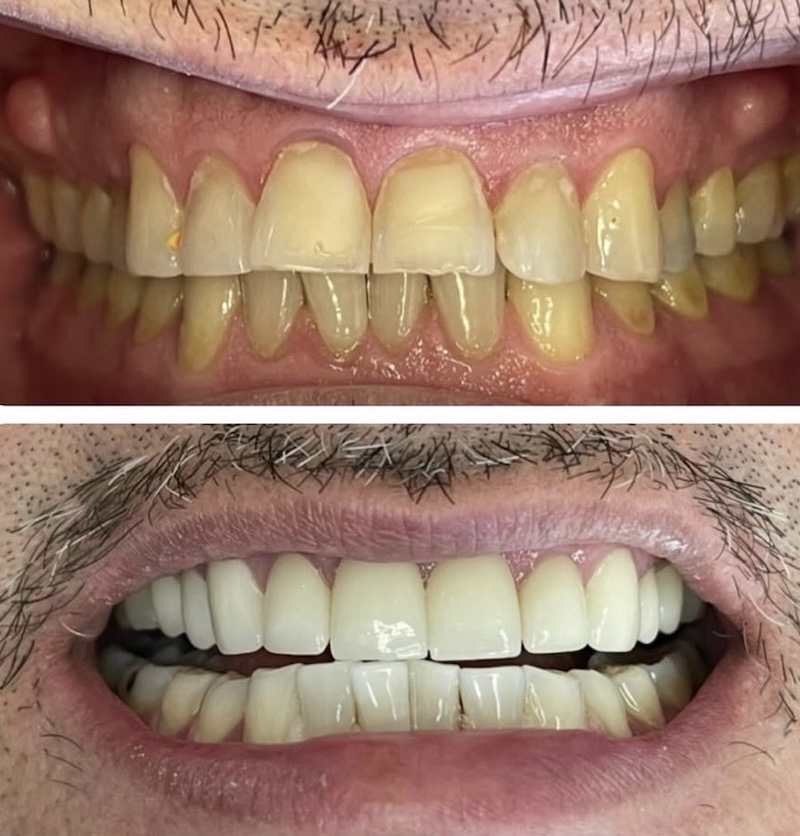
Dental veneers (sometimes called porcelain veneers, dental porcelain laminates, or lumineers) are wafer-thin, custom-made shells of tooth-colored materials designed to cover the front surface of teeth.
These shells are bonded to the front of the teeth, changing their color, shape, size, or length, resulting in an improved appearance.
Dental veneers can be made from porcelain or from resin composite materials. Porcelain veneers resist stains better than resin veneers and better mimic the light-reflecting properties of natural teeth.
Composite Veneers
Composite veneers are a type of dental veneer that is made of composite resin, a mixture of plastic and fine glass particles. They are used to improve the appearance of the front surface of the tooth, and can be used to address a variety of cosmetic concerns, such as chips, cracks, gaps, and discoloration.
One of the main benefits of composite veneers is that they are more affordable and less invasive than porcelain veneers, which require more extensive preparation of the tooth. They are also easier to repair if they become damaged, as the material can be easily modified. Someone might consider composite veneers if they want to improve the appearance of their smile without committing to a more extensive or costly dental procedure.
Porcelain Veneers
Porcelain veneers are a type of dental veneer that is made of thin, custom-made shells of ceramic material. Porcelain veneers are typically placed in two visits to the dentist, with the first visit involving preparation of the tooth by removing a small amount of enamel to make room for the veneer. During the second visit, the veneer is bonded to the tooth using a strong dental adhesive.
One of the main benefits of porcelain veneers is that they are highly durable and can last for many years with proper care. They are also resistant to staining, which means they can maintain their bright, natural-looking appearance over time.
Veneers are used for teeth that are:
- Discolored because of large resin fillings, root canal treatment, stains from excessive fluoride, tetracycline, and other drugs.
- Chipped, broken, or severely worn down.
- Misaligned, uneven, or irregularly shaped (for example, have craters or bulges in them).